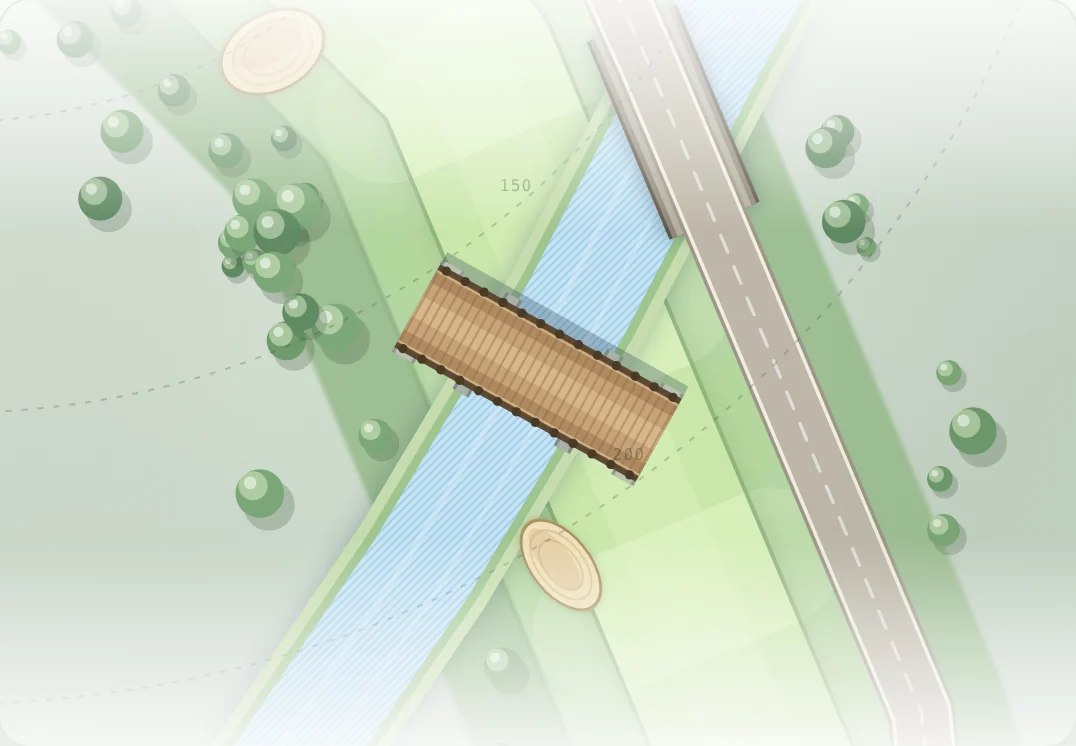
The burn
A diagonal river changes the carry distance with your line. Leave room for the ball to roll after landing.
Plan your shot
Choose the crossing point before the club. A shorter carry offers a safer route, while the bridge can send a rolling ball forward quickly.
Creator’s the burn guide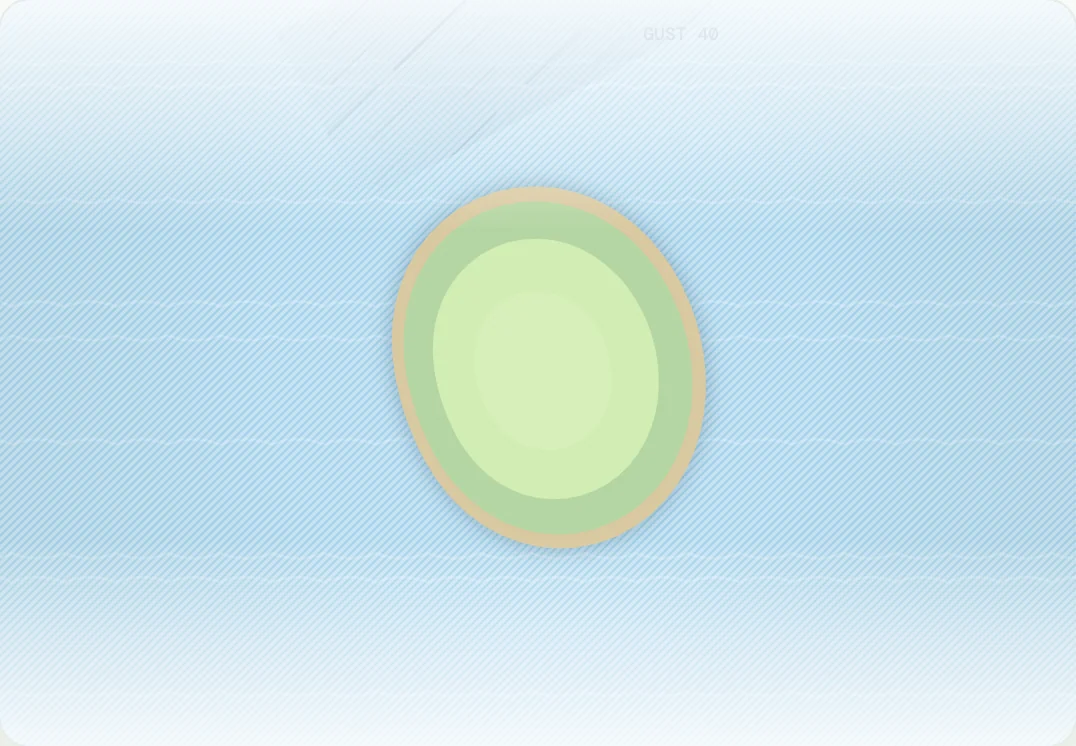
The crossing
An entire hole across a chain of islands. Each landing needs enough carry to clear the water.
Plan your shot
Treat each island as a separate landing target. Water sends the ball back to the island you played from and adds a penalty stroke.
Creator’s the crossing guide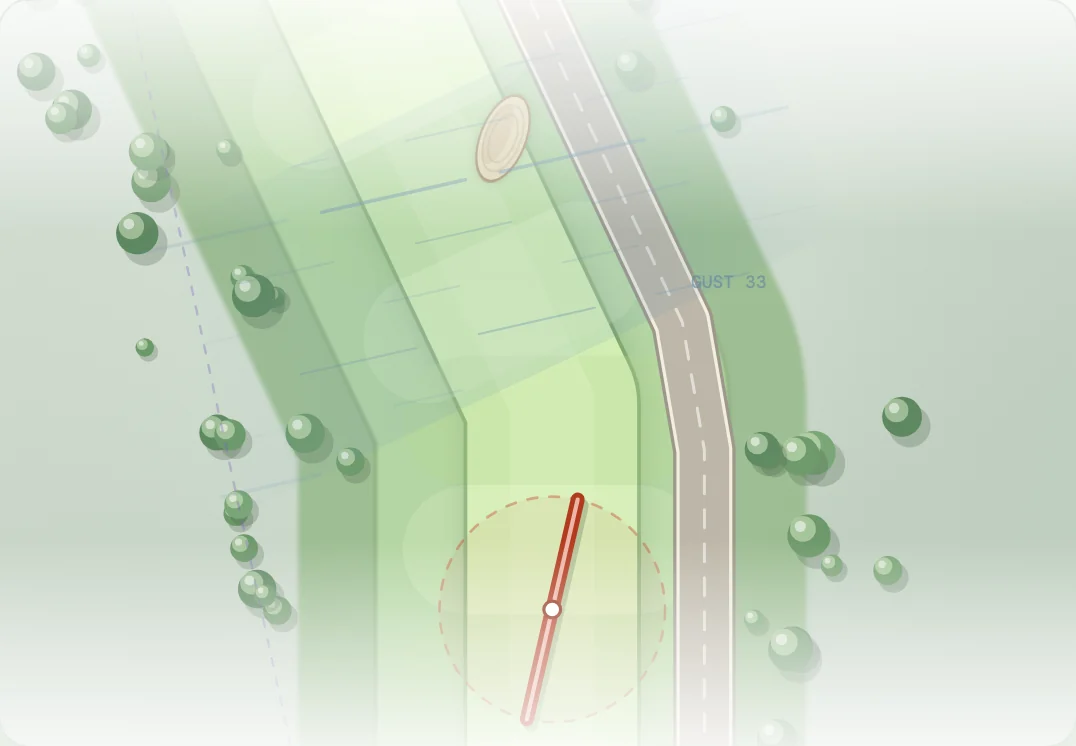
The gust
A moving band of air pushes shots that fly through it. Read its position before committing.
Plan your shot
Look for a route over the band, or stop short and take the next shot beneath it. The useful line depends on the flight path.
Creator’s the gust guide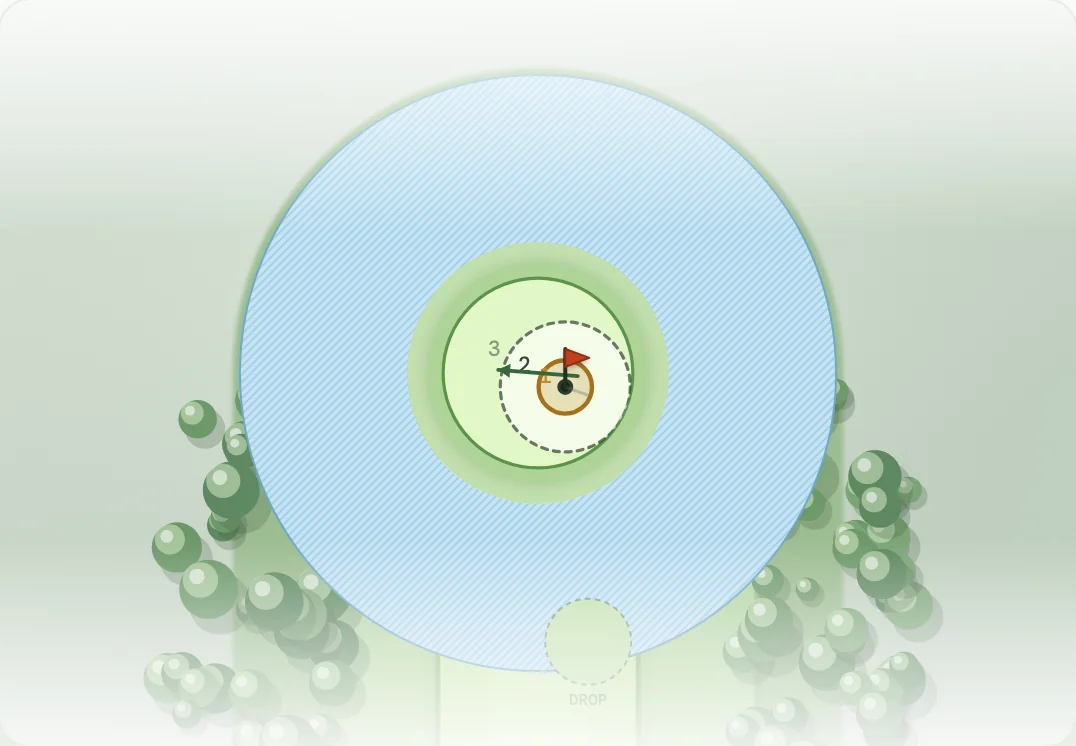
Island green
A green surrounded by water leaves little room for a missed approach.
Plan your shot
Pick a landing point with room for rollout. Missing the island leads to the marked drop zone, so the edge is an expensive target.
Creator’s island green guide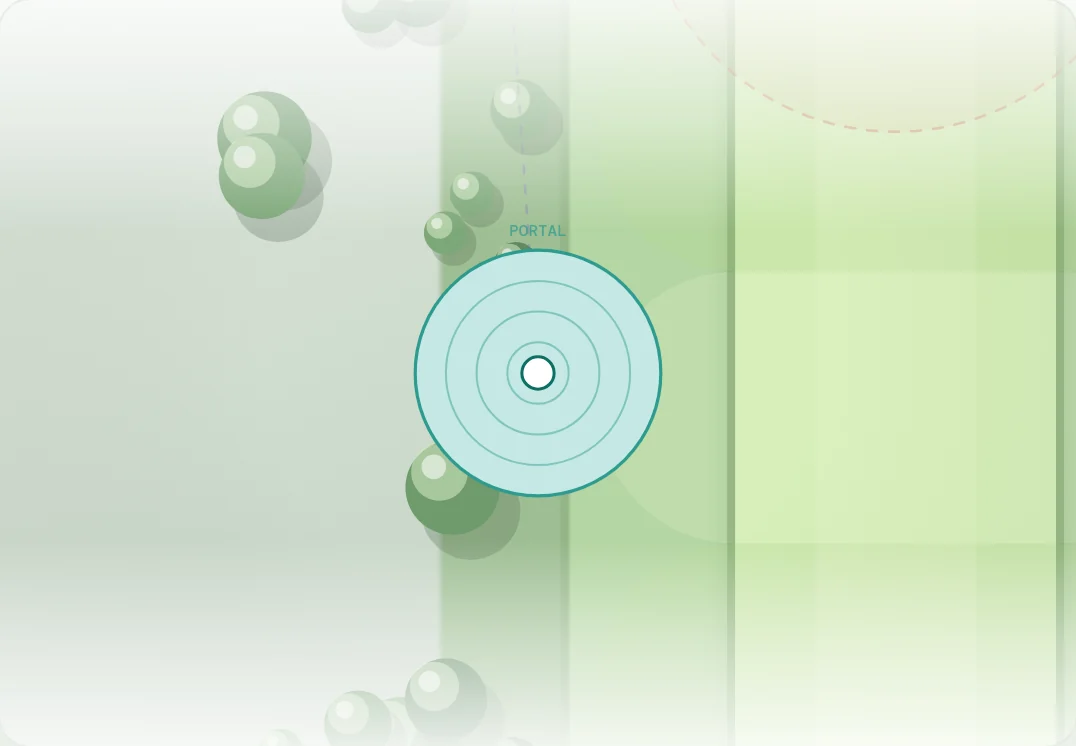
The portal
A satellite green can transport the ball closer to the main pin.
Plan your shot
Plan a carry toward the portal green, which slows a rolling ball sharply. On longer holes, the exit moves you forward without necessarily reaching the pin.
Creator’s the portal guide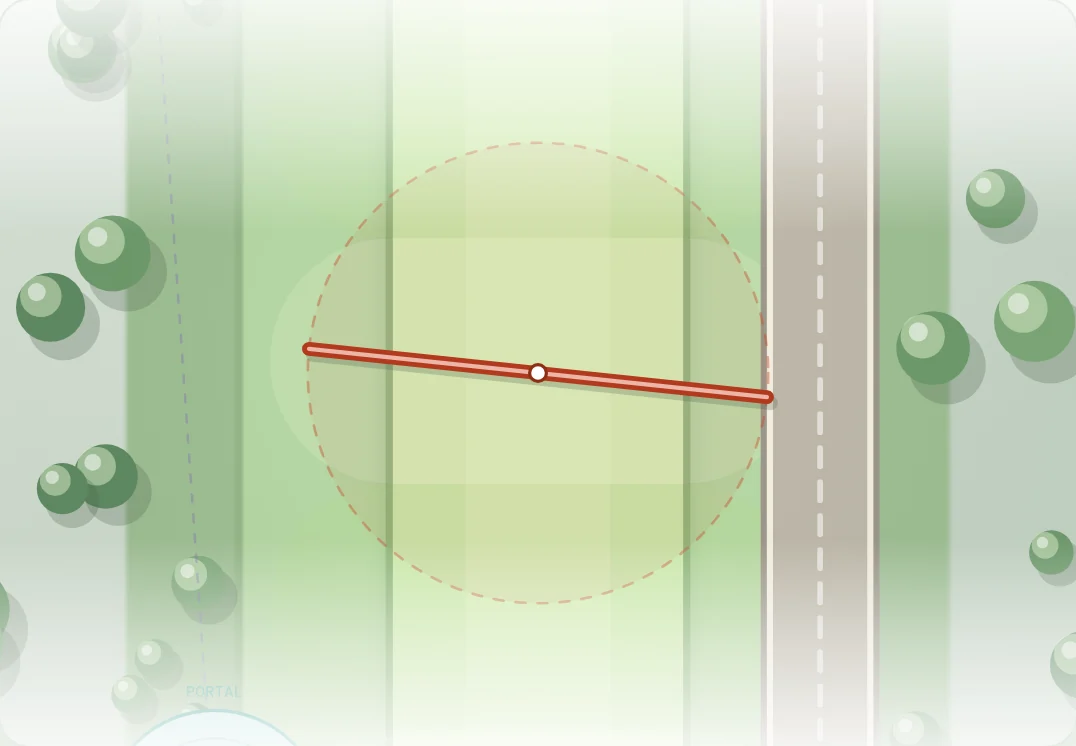
The arm
A sweeping obstacle strikes a ball that stops inside its circle.
Plan your shot
Choose a finishing position outside its reach. If the ball settles inside the circle, wait for the arm to strike before playing again.
Creator’s the arm guide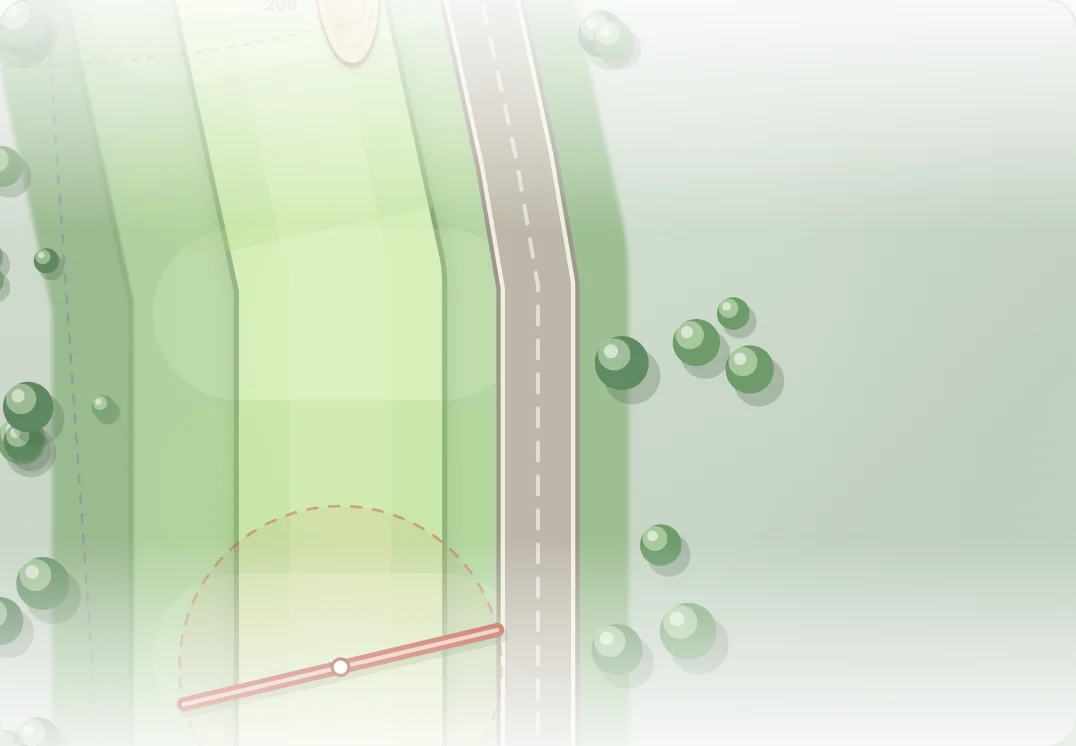
Cart path
A fast surface that can add substantial run after the ball lands.
Plan your shot
Follow the path beyond your landing point. Extra distance helps only if the final position is useful; the next shot from a path has a worse lie than fairway.
Creator’s cart path guide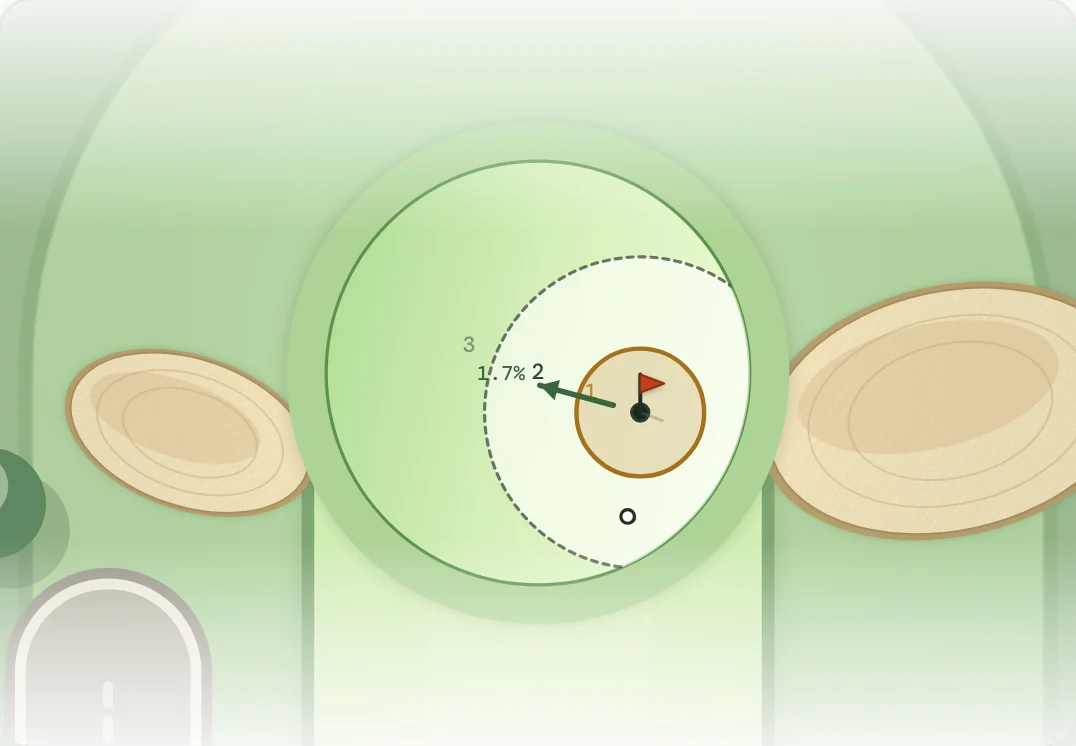
Putt rings
Gold gives one putt, the pale ring gives two, and the rest of the green gives three.
Plan your shot
Aim for where your approach stops. Steeper greens shrink the scoring rings, so allow for the ball to release across the green.
Creator’s putt rings guideNew terrain to watch for
Pine Forest can include fallen leaf piles with bunker-like penalties. Highland Peaks can place kick boulders on the fairway: a rolling ball hits the rock and rebounds forward. Watch the course itself for these additions, and consult the official update log for changes to the generator.